Tokyo is a mesmerising blend of ancient tradition and futuristic innovation, a city that pulsates with energy and rewards every curious traveller. But navigating this sprawling metropolis can seem daunting, especially when accessibility is a key consideration. This guide moves beyond the typical travel list, offering a practical and inclusive roadmap to the best places to go in Tokyo.
We’ve curated this resource specifically for travellers with physical, sensory, or cognitive disabilities, LGBTQIA+ individuals, and families seeking a stress-free holiday. Instead of just listing destinations, we provide actionable details that matter. You’ll find information on step-free routes for mobility aid users, sensory-friendly visiting times to avoid overwhelming crowds, locations of accessible restrooms, and notes on which venues are actively welcoming to the LGBTQIA+ community.
This comprehensive list covers iconic sites like the serene Meiji Shrine and the electrifying Shibuya Crossing, along with cultural hubs such as Akihabara and the historic Asakusa district. Each recommendation is designed to empower you with the knowledge needed to explore with confidence and dignity. As specialists in creating custom accessible itineraries, we believe everyone deserves to experience the magic of Tokyo without limitations. This guide is your starting point for planning an unforgettable journey through the vibrant heart of Japan. Let’s explore the city together.
1. Senso-ji Temple, Asakusa: Ancient Spirit, Modern Access
As Tokyo's most ancient temple, Senso-ji is a spiritual and cultural epicentre that offers a profound glimpse into Japan's history. Founded in 628 AD, this iconic site is more than just a photo opportunity; it’s a living piece of heritage and a must-see on any itinerary of the best places to go in Tokyo. While its popularity means large crowds, recent accessibility upgrades have made navigating this sacred space far more manageable for everyone.
Navigating the Temple Grounds
The journey begins at the famous Kaminarimon (Thunder Gate). From here, a smooth, paved pathway runs through the bustling Nakamise-dori market street, leading directly to the main hall. While the market can be crowded, visiting early on a weekday morning (before 10 am) offers a more relaxed experience.
The main temple complex, including the Hondo (Main Hall) and the five-storied pagoda, is largely step-free. A modern elevator is located on the left side of the main hall's staircase, providing direct, dignified access to the prayer area.
Local Tip: The elevator is discreetly marked. Don't hesitate to ask a temple attendant for directions; they are accustomed to guiding visitors who require step-free access to the main hall for prayer and viewing.
Accessibility and Amenities
- Mobility: The main paths are paved and flat, suitable for wheelchairs and strollers. The elevator provides access to the primary worship area.
- Restrooms: Accessible toilets are available near the main hall and are clearly signposted.
- Sensory Notes: This is a high-sensory environment with incense, bells, and dense crowds, particularly on weekends. For a calmer visit, aim for early mornings.
- LGBTQIA+ & Family Friendly: The temple is a public space welcoming to all visitors. It's an excellent, family-friendly location to introduce children to Japanese culture.
Learn more at the official Senso-ji website.
2. Shibuya Crossing: Iconic Urban Energy
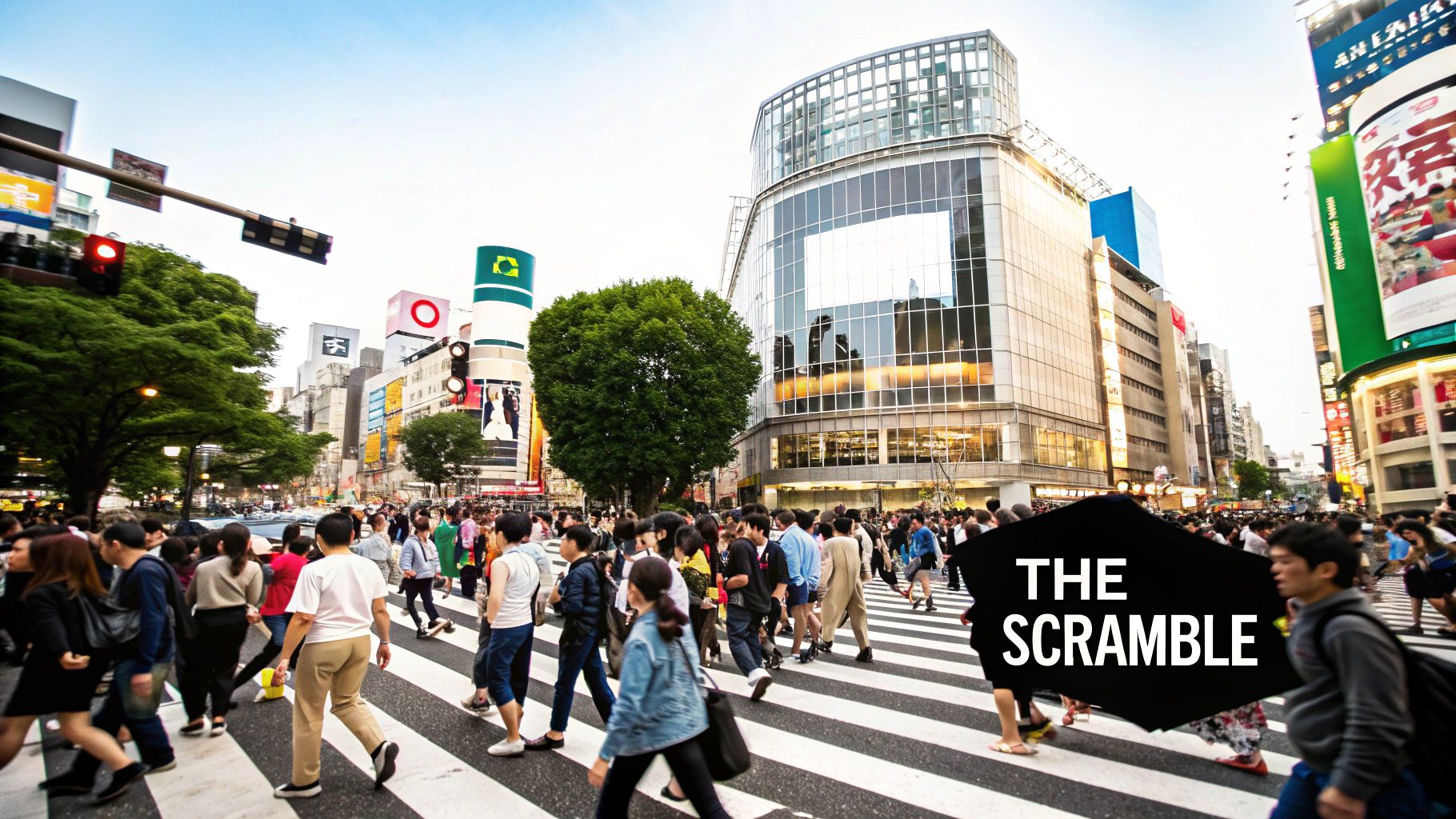
The world’s busiest pedestrian intersection, Shibuya Crossing, is the pulsing heart of modern Tokyo. This mesmerising "scramble" is a sensory spectacle of organised chaos, where thousands of people surge across the street from multiple directions at once. It's an unmissable experience that perfectly captures the city's dynamic energy and is one of the best places to go in Tokyo to feel its contemporary spirit.
Navigating the Scramble
The best way to experience the crossing is from above and within. For an elevated view, head to the second floor of the Starbucks in the Tsutaya building. Access is via a lift, but be prepared for crowds and a potential wait for a window seat. For ground-level immersion, the pedestrian walkways are wide and flat, though navigating the sheer volume of people requires careful attention.
Shibuya Station is a massive hub with multiple exits. The Hachiko Exit is the most direct and famous route to the crossing. All main exits and pathways within the station have step-free routes and lift access, making it manageable for mobility aid users.
Local Tip: For a less chaotic but equally impressive view, visit the Shibuya Sky observation deck in the Shibuya Scramble Square building. It offers panoramic, accessible views of the crossing and the city beyond.
Accessibility and Amenities
- Mobility: The crossing itself is flat and paved. Shibuya Station and surrounding department stores are equipped with lifts and accessible routes, though navigating the station's complexity can be challenging.
- Restrooms: Accessible toilets are available inside Shibuya Station and nearby department stores like Shibuya Hikarie and Shibuya Scramble Square.
- Sensory Notes: This is an extremely high-sensory environment with flashing billboards, loud announcements, and immense crowds. Weekday mid-mornings (around 10-11 am) are slightly less intense.
- LGBTQIA+ & Family Friendly: Shibuya is known for its progressive and youthful atmosphere, making it a welcoming area for all. The energy is exciting for older children, but the crowds can be overwhelming for little ones.
3. Meiji Shrine (Meiji Jingu): Serene Forest in the Urban Heart
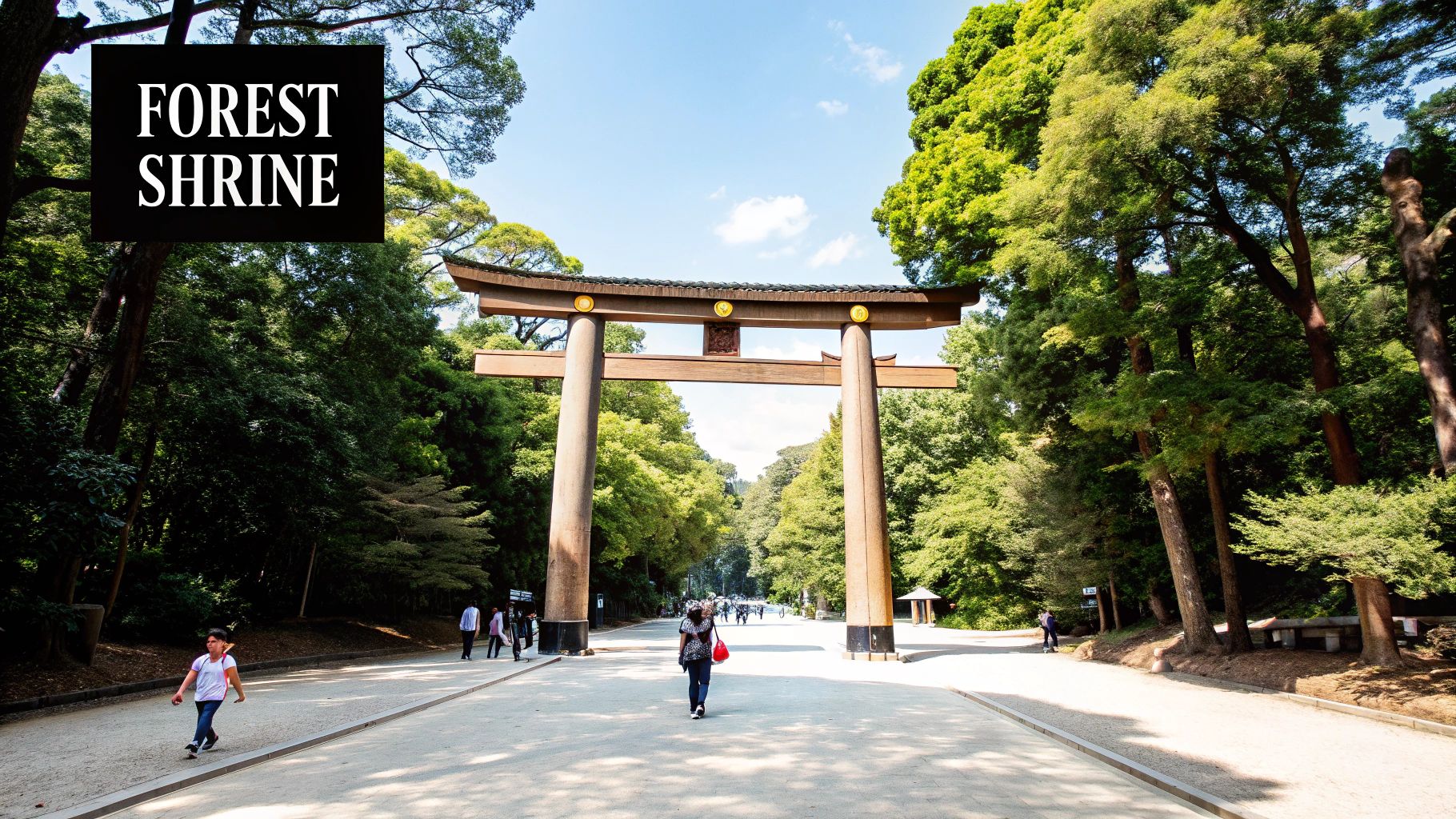
Dedicated to the spirits of Emperor Meiji and Empress Shoken, Meiji Jingu is an oasis of calm nestled beside the vibrant Harajuku district. This Shinto shrine, surrounded by a 70-hectare evergreen forest, offers a profound sense of peace and is a deeply spiritual experience, making it one of the best places to go in Tokyo. The shrine provides a striking contrast to the city's modern pulse, and its wide, flat paths make it a surprisingly accessible natural retreat.
Navigating the Shrine Grounds
The approach to Meiji Jingu begins at a grand torii gate near Harajuku Station, leading onto a wide gravel path that winds through the forest. While the gravel can be slightly challenging for some manual wheelchairs, the path is firm and generally manageable for power chairs and strollers. The main shrine complex at the end of the path is spacious and largely step-free, allowing easy movement around the prayer halls.
Local Tip: A paved, accessible side route runs parallel to the main gravel path for a significant portion of the walk. Ask the guards at the entrance gate to point you towards this smoother, more comfortable option.
Accessibility and Amenities
- Mobility: The main complex is flat and step-free. The approach path is wide but covered in packed gravel; a paved alternative path is available.
- Restrooms: Multiple accessible toilets are located along the main path and near the shrine complex. They are well-maintained and clearly marked.
- Sensory Notes: This is a very low-sensory environment. The forest canopy dampens city noise, creating a quiet and calming atmosphere ideal for a sensory retreat.
- LGBTQIA+ & Family Friendly: The shrine is a public, sacred space that welcomes all respectful visitors. The expansive, shaded grounds are perfect for families with children.
Learn more at the official Meiji Jingu website.
4. Akihabara Electric Town: Pop Culture and Tech Paradise
Known globally as the epicentre of Japan's otaku (enthusiast) culture, Akihabara is a dazzling district dedicated to anime, manga, video games, and electronics. This vibrant neighbourhood is a sensory explosion of neon lights, sounds, and cutting-edge technology, making it one of the most unique and best places to go in Tokyo. While its energetic streets can seem chaotic, the area is surprisingly navigable.
Navigating the District
Akihabara Station is a major hub, and the main street, Chuo Dori, is wide and mostly flat, making it suitable for mobility aids. The street is closed to vehicle traffic on Sunday afternoons, creating a pedestrian-friendly "hokōsha tengoku" (pedestrian paradise) which significantly eases movement. Most major multi-level department stores like Yodobashi Camera are equipped with elevators.
However, smaller, independent shops and older buildings may have narrow aisles or stairs. It's best to focus on the larger, modern complexes for a fully accessible shopping experience.
Local Tip: Don't forget your passport when shopping. Many larger electronics and anime merchandise stores offer tax-free purchases for tourists on spends over ¥5,000, which can result in significant savings.
Accessibility and Amenities
- Mobility: Main streets are paved and flat. Large stores have elevators, but smaller shops can be challenging. Sunday pedestrianisation makes the area much easier to navigate.
- Restrooms: Accessible toilets are readily available inside Akihabara Station and within large department stores like Yodobashi Camera and the Akihabara UDX building.
- Sensory Notes: Akihabara is extremely high-sensory, with bright flashing lights, loud music, and dense crowds. Visiting on a weekday morning can offer a slightly less overwhelming experience.
- LGBTQIA+ & Family Friendly: The area is generally welcoming to all. Its pop culture focus makes it a thrilling stop for families with older children and teenagers interested in anime or gaming.
Learn more at the official Akihabara tourism website.
5. Tsukiji Outer Market: A Feast for the Senses
While the famous inner wholesale market has relocated, the Tsukiji Outer Market remains a bustling, historic epicentre of Tokyo's culinary scene. This vibrant network of narrow streets is packed with vendors selling fresh seafood, unique produce, and an incredible variety of prepared foods, making it an essential destination for food enthusiasts. It offers an authentic, high-energy taste of local life and is one of the best places to go in Tokyo for an immersive cultural experience.
Navigating the Market Grounds
The market is a dense grid of laneways. The main thoroughfares are paved, but many smaller alleys can be uneven and are almost always crowded, especially during peak hours (9 am to 1 pm). Visiting very early on a weekday, between 7 am and 9 am, provides the most manageable environment for navigating with a mobility aid or stroller.
Most stalls operate from ground level, allowing for direct interaction, but be aware that space is tight. Patience is key to moving through the energetic crowds and fully appreciating the atmosphere.
Local Tip: Many vendors are cash-only. Come prepared with yen to sample everything from grilled scallops to sweet tamagoyaki (rolled omelette). A budget of ¥3,000 to ¥5,000 will allow for a satisfying grazing experience.
Accessibility and Amenities
- Mobility: The main streets are mostly flat but can be challenging due to extreme crowding. The narrow lanes and lack of seating make it difficult for extended stays for those with mobility concerns.
- Restrooms: Public accessible toilets are available near the market's main information centre, but can be hard to find within the dense market itself.
- Sensory Notes: This is an extremely high-sensory environment with strong smells of seafood, loud vendor calls, and dense crowds. It can be overwhelming for those with sensory sensitivities.
- LGBTQIA+ & Family Friendly: The market is a public space welcoming to all. It's a fantastic spot for adventurous eaters, though the crowds may be challenging for young children.
For those who prefer a more structured experience, you can explore guided food tours of the Tsukiji Outer Market on exclusivelyinclusivetravel.com.
6. Harajuku (Takeshita Street): A Colourful Collision of Culture
Harajuku is the undisputed epicentre of Tokyo's youth fashion and pop culture, a vibrant neighbourhood that must be experienced to be believed. Its famous Takeshita Street is a narrow, bustling lane that serves as a living runway for Japan's most creative street styles. While its energy is infectious, the area's popularity presents unique accessibility challenges, making careful planning one of the keys to enjoying this unique place to go in Tokyo.
Navigating the Temple Grounds
The best entry point is JR Harajuku Station, which has an elevator-equipped East Exit that leads directly towards Takeshita Street. The street itself is a pedestrian-only zone and is relatively flat, but its narrowness and extreme crowds, especially on weekends, can make it difficult for wheelchair users to navigate. Visiting on a weekday morning between 9 am and 11 am provides a much more manageable experience.
The wider, tree-lined avenue of Omotesando, adjacent to Harajuku, offers a more spacious and relaxed alternative for luxury shopping and cafe hopping, with smooth, wide footpaths.
Local Tip: Many of the small, independent shops on Takeshita Street have a step up at their entrance. Focus on ground-floor shops or have a travel companion who can assist if you want to explore the tiny boutiques that define the area.
Accessibility and Amenities
- Mobility: Takeshita Street is paved and mostly flat but can be intensely crowded. Omotesando is far more accessible with its wide, smooth pavements.
- Restrooms: Accessible toilets are available inside JR Harajuku Station and in larger department stores along Omotesando, like Tokyu Plaza.
- Sensory Notes: This is an extremely high-sensory environment with loud music, bright colours, and dense crowds. It can be overwhelming. Nearby Meiji Shrine offers a quiet, natural retreat.
- LGBTQIA+ & Family Friendly: Harajuku is a celebrated hub of self-expression and is very welcoming to the LGBTQIA+ community. Families with older children will enjoy the energy, but the crowds may be too intense for young children and strollers.
7. Tokyo Tower: An Accessible Icon in the Skyline
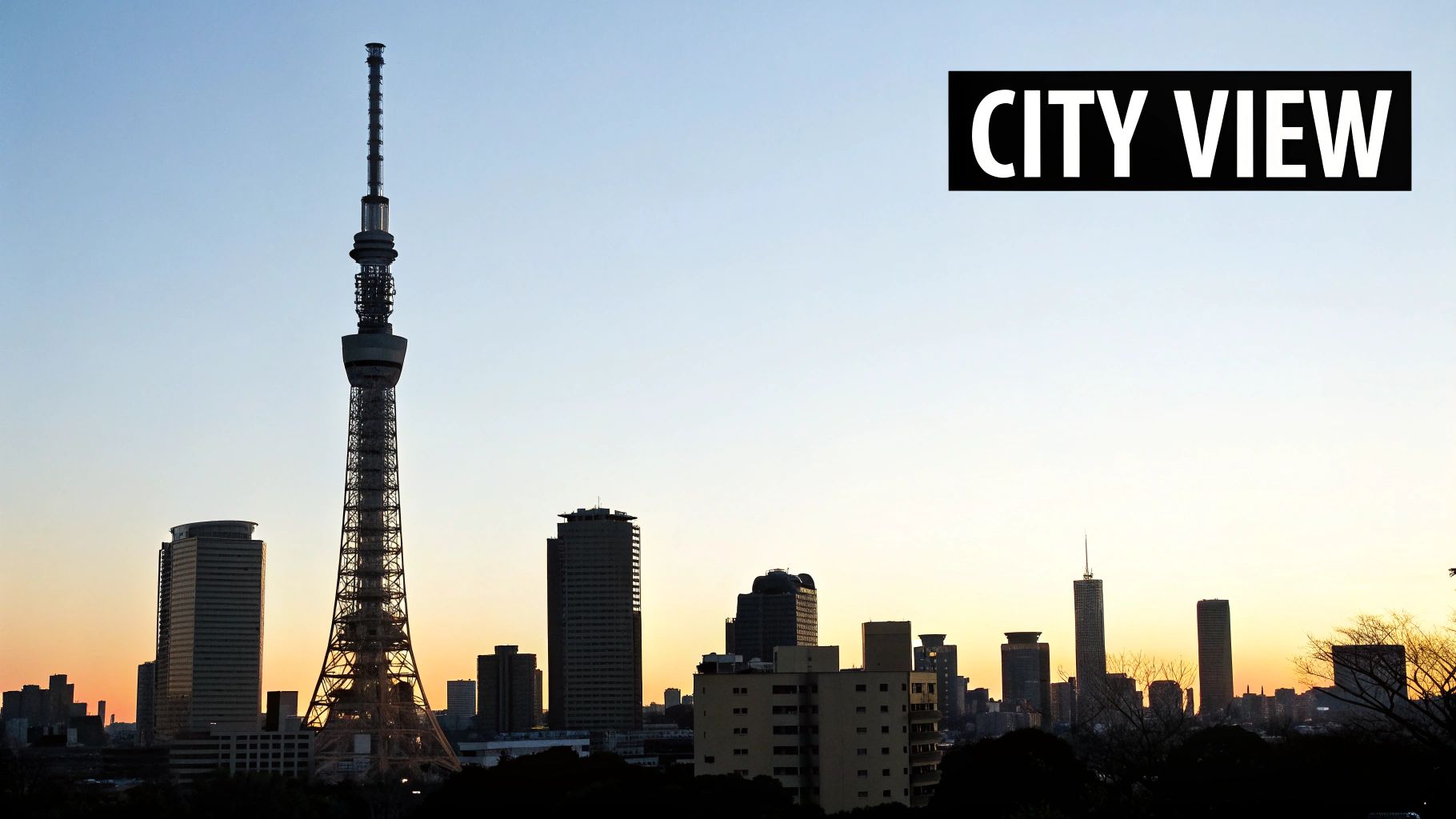
A beloved symbol of Tokyo's post-war rebirth, the Tokyo Tower offers breathtaking panoramic views from its two observation decks. Completed in 1958, this 333-metre, Eiffel Tower-inspired structure remains one of the best places to go in Tokyo for its stunning cityscapes and nostalgic charm. Its prominent location in Minato ward makes it a fantastic vantage point for both day and night photography.
Navigating the Tower
The journey to the top is completely step-free. From the main entrance at Foot Town, elevators provide smooth access to the Main Deck (150m) and the Top Deck (250m). Staff are well-trained and available to guide visitors requiring assistance to the correct elevators, ensuring a seamless experience.
Booking tickets online in advance is recommended to avoid queues and secure a small discount. Aim for a visit just before sunset to watch the city transition from day to night, though an early morning visit can offer clearer views, especially on crisp winter days.
Local Tip: Check the live camera feed on the Tokyo Tower website before your visit. Tokyo's weather can be unpredictable, and this quick check will ensure you don’t pay for an observation deck experience obscured by clouds or haze.
Accessibility and Amenities
- Mobility: The entire attraction, including both observation decks and the Foot Town building, is wheelchair and stroller accessible via elevators.
- Restrooms: Accessible toilets are conveniently located on each floor of Foot Town and on the Main Deck.
- Sensory Notes: While generally calmer than ground-level attractions, the observation decks can feel crowded. The glass floor section on the Main Deck may be a challenge for those with vertigo.
- LGBTQIA+ & Family Friendly: The tower is a welcoming public space for all individuals and families, offering a classic and memorable Tokyo experience for all ages.
Find out more about visiting the iconic Tokyo Tower.
8. Ginza District: Sophistication and Seamless Strolls
Ginza is Tokyo's premier luxury shopping and dining district, a dazzling neighbourhood where high fashion meets high art. It represents the pinnacle of modern sophistication, yet its wide, flat boulevards and commitment to accessibility make it one of the most comfortable and best places to go in Tokyo for a stylish, stress-free exploration. It's an area that proves elegance and inclusivity can go hand in hand.
Navigating the District
Ginza's main thoroughfare, Chuo-dori, and the surrounding streets are exceptionally well-maintained, with smooth, wide footpaths perfect for wheelchair users and strollers. The district is laid out in a simple grid, making navigation straightforward. On weekend afternoons, Chuo-dori becomes a pedestrian-only paradise, offering an unparalleled opportunity for a relaxed and unhindered stroll.
Most flagship stores and major department stores like Mitsukoshi and Ginza Wako are fully accessible, with elevators providing access to all floors. The basement-level food halls (depachika) are a must-visit and are also easily reached via lifts.
Local Tip: For an affordable yet gourmet lunch, head straight to a department store's depachika. You can find exquisite bento boxes and ready-to-eat meals for ¥1,500-3,000, offering a taste of luxury without the fine-dining price tag.
Accessibility and Amenities
- Mobility: The entire district is exceptionally flat with excellent footpaths and abundant dropped kerbs. Most shops and department stores have step-free entrances and internal lifts.
- Restrooms: Accessible toilets are widely available inside every department store, major building, and within Ginza Station.
- Sensory Notes: While visually stimulating, Ginza is generally less crowded and noisy than areas like Shibuya, especially on weekday mornings. The pedestrian-only weekends create a calmer auditory environment.
- LGBTQIA+ & Family Friendly: Ginza is a sophisticated and welcoming public space. The calm atmosphere and spacious footpaths make it very family-friendly, particularly for those with strollers.
Learn more at the official Go Tokyo Ginza guide.
9. Shinjuku: The Electric Heart of Modern Tokyo
Shinjuku is the quintessential vision of modern Tokyo, a sprawling urban centre that pulses with energy 24/7. As home to the world's busiest train station, towering skyscrapers, and dazzling neon-lit entertainment districts, it's a must-visit for anyone wanting to experience the city's dynamic commercial and cultural core. Despite its scale, careful planning makes this an accessible and thrilling part of any Tokyo itinerary.
Navigating the Urban Maze
The journey begins at Shinjuku Station. Its sheer size can be intimidating, but it is well-organised with extensive signage in English and clear colour-coded lines. Utilise the station’s elevators and designated accessible routes to navigate between platforms and exits. Pavements throughout the main commercial areas, like around the Shinjuku Gyoen National Garden and the Tokyo Metropolitan Government Building, are generally wide and well-maintained.
The best approach is to explore one area at a time. The East Exit leads to shopping and entertainment, including the notorious Kabukicho, while the West Exit is known for its skyscrapers and electronics stores.
Local Tip: Download a Shinjuku Station map to your phone before you arrive. The JR East website offers detailed accessible route maps, which are invaluable for planning step-free transfers between train lines and exits.
Accessibility and Amenities
- Mobility: Major department stores, office buildings, and underground malls are equipped with elevators and ramps. Pavements are generally smooth, but be mindful of heavy pedestrian traffic.
- Restrooms: Accessible toilets are plentiful within the station, department stores like Isetan or Takashimaya, and public buildings.
- Sensory Notes: Shinjuku is a high-sensory environment with bright lights, loud announcements, and dense crowds. For a calmer experience, visit the quieter West Exit area or explore on a weekday morning.
- LGBTQIA+ & Family Friendly: Shinjuku is home to Shinjuku Ni-chome, Tokyo’s most famous LGBTQIA+ district, offering a welcoming atmosphere with countless bars and clubs. The area is generally safe and accommodating for all visitors.
10. Ryogoku (Sumo District): The Heart of Sumo Culture
For an unparalleled immersion into Japan's national sport, Ryogoku is one of the best places to go in Tokyo. This historic district is the epicentre of professional sumo, home to the iconic Ryogoku Kokugikan stadium, numerous sumo stables, and restaurants serving the wrestlers' hearty cuisine. It offers a powerful, tangible connection to a deeply rooted Japanese tradition.
Navigating the Sumo World
Ryogoku Station provides excellent, step-free access to the area's main attractions. The Kokugikan (National Sumo Hall) is a modern venue with designated accessible seating, lifts to all levels, and accessible restrooms, making it a comfortable experience for watching a tournament. Many of the surrounding streets are flat and paved, suitable for navigating the neighbourhood.
Morning training sessions at sumo stables offer a fascinating, behind-the-scenes look. While access varies by stable and some viewing areas are traditional (requiring sitting on the floor), it is worth contacting them in advance to enquire about viewing options.
Local Tip: Even if you miss a tournament, visit the free Sumo Museum inside the Kokugikan. It's fully accessible and provides fantastic cultural context. The entrance is level, and the exhibits are spaciously laid out.
Accessibility and Amenities
- Mobility: The Ryogoku Kokugikan is fully accessible with lifts and designated seating. The surrounding sidewalks are generally flat. Contact individual chanko-nabe restaurants to confirm step-free entry.
- Restrooms: Accessible public toilets are available at Ryogoku Station and inside the Kokugikan stadium.
- Sensory Notes: Tournaments are high-energy events with loud cheering. Morning training sessions are intensely quiet and demand respectful silence.
- LGBTQIA+ & Family Friendly: The area is welcoming to all. Watching the immense skill and discipline of the wrestlers is an inspiring and family-friendly activity.
Learn more at the official Japan Sumo Association website.
11. Odaiba: Futuristic Fun on Tokyo Bay
A testament to modern Japanese innovation, Odaiba is an artificial island in Tokyo Bay that offers a complete change of pace from the city's more traditional districts. This entertainment hub is packed with futuristic architecture, expansive shopping centres, and unique museums, making it one of the best places to go in Tokyo for contemporary culture and family fun. Its wide, open spaces and modern design make it one of the most accessible areas in the city.
Navigating the Island
Getting to and around Odaiba is part of the experience. The Yurikamome, an automated elevated train from Shimbashi Station, offers stunning bay views and is fully accessible. Once on the island, wide, smooth pavements connect the major attractions like Aqua City, Decks Tokyo Beach, and the Fuji TV Building. Most venues are modern and built with accessibility in mind.
A full day can easily be spent here, from visiting the teamLab Borderless digital art museum to relaxing on the man-made beach. The island’s waterfront promenades are perfect for a gentle stroll, offering spectacular views of the Rainbow Bridge and the Tokyo skyline, especially at sunset.
Local Tip: Plan to travel on the Yurikamome line outside of peak commuter hours. Board the very front carriage for an unobstructed, driver's-eye view of the journey across the Rainbow Bridge.
Accessibility and Amenities
- Mobility: Odaiba is exceptionally wheelchair and stroller-friendly, with flat, spacious walkways, ramps, and elevators in all major shopping centres and attractions.
- Restrooms: Accessible toilets are plentiful and clearly marked in every major facility, including train stations and shopping malls.
- Sensory Notes: While areas like teamLab are high-sensory, the island itself offers many quiet, open spaces, especially along the waterfront parks, providing a respite from the city's usual density.
- LGBTQIA+ & Family Friendly: Odaiba is a welcoming, leisure-focused destination. Its diverse range of attractions, from science museums to theme parks, makes it an ideal and inclusive spot for families and all travellers.
Learn more at the official Go Tokyo Odaiba guide.
12. Roppongi: Art, Nightlife, and Urban Sophistication
Roppongi offers a polished, international face of Tokyo, blending world-class art museums with upscale dining and sophisticated nightlife. Once known primarily for its after-dark scene, the area has been revitalised into a major cultural hub, making it one of the best places to go in Tokyo for modern art and architecture enthusiasts. With modern developments like Roppongi Hills and Tokyo Midtown, accessibility is a core part of its design.
Navigating the Art Triangle
Roppongi is famed for the "Art Triangle," comprising The National Art Center, the Mori Art Museum, and the Suntory Museum of Art. All three are highly accessible. The Mori Art Museum, located on the 53rd floor of the Mori Tower, is reached via high-speed, spacious elevators. The National Art Center is a masterpiece of accessible design, with wide-open spaces, ramps, and elevators throughout.
Most of Roppongi's main streets and shopping complexes like Roppongi Hills are modern, with smooth pavements, ramps, and lifts. Navigating between these key areas is straightforward, though the district is hilly in parts.
Local Tip: While the main complexes are accessible, some smaller backstreet bars and restaurants may have steps. For nightlife, stick to the larger, modern venues in Roppongi Hills or Tokyo Midtown for guaranteed step-free access.
Accessibility and Amenities
- Mobility: Major venues, stations (Roppongi Station), and shopping centres are fully accessible with elevators and ramps. Pavements are generally wide and well-maintained.
- Restrooms: Accessible toilets are plentiful and clearly marked within all major galleries, shopping complexes, and train stations.
- Sensory Notes: Daytime is relatively calm, focused on art and shopping. Evenings become vibrant and loud, particularly around nightlife hotspots. The art museums offer quiet, controlled environments.
- LGBTQIA+ & Family Friendly: Roppongi is very welcoming to international visitors and the LGBTQIA+ community, especially in its more upscale bars and clubs. The area is family-friendly during the day, with parks and open spaces.
Learn more at the official Roppongi Hills visitor information page.
Top 12 Tokyo Attractions Comparison
| Attraction | Complexity to Visit 🔄 | Resource Requirements ⚡ | Expected Experience ⭐ | Ideal For 📊 | Key Advantages & Tips 💡 |
|---|---|---|---|---|---|
| Senso-ji Temple (Asakusa) | Low 🔄 (easy access; heavy crowds) | Low ⚡ (free entry; ¥1,000–3,000 typical; 1–2 hrs) | ⭐⭐⭐ (historic, photogenic, cultural) | Cultural immersion, photographers, budget travelers | Iconic temple + shopping — visit early morning to avoid crowds |
| Shibuya Crossing | Low 🔄 (very accessible; crowd management) | Low ⚡ (free; short visit; 30–60 min) | ⭐⭐ (striking urban spectacle) | Short visits, photo ops, modern-culture observers | Iconic neon scramble — best viewed from elevated cafés at peak light |
| Meiji Shrine (Meiji Jingu) | Low–Medium 🔄 (forest walk; accessible paths) | Low ⚡ (free; museum extra ¥1,000; 1–2 hrs) | ⭐⭐⭐⭐ (tranquil, spiritual, educational) | Quiet retreat, cultural learners, ritual observers | Forested sanctuary — visit 7–9 AM for peace and proper etiquette |
| Akihabara | Medium 🔄 (many small shops; navigation/language) | Variable ⚡ (¥5,000–50,000+ possible; several hrs) | ⭐⭐⭐ (vibrant pop‑culture & electronics hub) | Electronics shoppers, anime/manga fans, gamers | Best for tech and otaku culture — bring passport for tax‑free deals |
| Tsukiji Outer Market | Medium 🔄 (early hours; busy aisles) | Low–Medium ⚡ (meal ¥2,000–5,000; arrive early) | ⭐⭐⭐ (authentic food and market atmosphere) | Foodies, sushi lovers, market photographers | Fresh seafood stalls — arrive 6–8 AM and wear slip‑resistant shoes |
| Harajuku (Takeshita Street) | Low–Medium 🔄 (narrow, often crowded) | Low–Medium ⚡ (¥3,000–10,000 shopping; 1–3 hrs) | ⭐⭐⭐ (energetic youth fashion scene) | Trend seekers, street‑style observers, snack lovers | Unique fashion hub — go weekday morning for easier navigation |
| Tokyo Tower | Medium 🔄 (ticketing and queues possible) | Medium ⚡ (admission ¥900–1,600; 1–2 hrs) | ⭐⭐⭐ (panoramic city views, photogenic) | View seekers, photographers, couples | Great sunset/ night views — buy tickets online and check weather |
| Ginza | Low 🔄 (walkable, well‑organized) | High ⚡ (expensive shopping/dining) | ⭐⭐⭐ (luxury retail & architecture) | Luxury shoppers, fine‑dining diners, architecture fans | World‑class stores and food halls — window shop or visit dept. food halls |
| Shinjuku | Medium 🔄 (large area, complex transit) | Variable ⚡ (free to high; ¥0–15,000+ depending on plans) | ⭐⭐⭐ (diverse urban energy, nightlife) | Nightlife seekers, shoppers, transit users | 24‑hour hub with vast options — use station maps for navigation |
| Ryogoku (Sumo District) | Medium 🔄 (timed events; advance booking for tournaments) | Low–Medium ⚡ (training often free; tournaments costly) | ⭐⭐⭐⭐ (authentic traditional sport experience) | Sumo fans, cultural tourists, foodies | Unique sumo culture — attend tournaments or early morning practice |
| Odaiba (Artificial Island) | Medium 🔄 (requires extra travel via Yurikamome) | Medium ⚡ (¥5,000–15,000 for attractions/shopping) | ⭐⭐⭐ (futuristic entertainment & waterfront) | Families, museum/goers, shoppers | Waterfront & TeamLab highlight — book tickets in advance; best at sunset |
| Roppongi | Medium 🔄 (museums by day, nightlife by night) | High ⚡ (museum fees ¥1,500–2,500; pricey dining/nightlife) | ⭐⭐⭐ (art, dining, international nightlife) | Art lovers, upscale diners, nightlife seekers | Home to major museums and global dining — daytime for culture, evening for nightlife |
Your Inclusive Tokyo Adventure Awaits
Tokyo, a city that masterfully weaves ancient tradition with futuristic innovation, is far more than just a destination; it's a multi-sensory experience. Throughout this guide, we have journeyed through some of the best places to go in Tokyo, from the sacred serenity of Meiji Jingu to the electric, neon-fuelled energy of Akihabara. We have seen how the historic reverence of Senso-ji Temple coexists with the modern marvels of Odaiba, and how the refined elegance of Ginza contrasts with the vibrant, youthful spirit of Harajuku's Takeshita Street.
This curated list is designed to be more than a simple travel guide. It serves as your foundational blueprint for crafting a Tokyo adventure that is not only memorable but also comfortable, manageable, and truly inclusive. The core takeaway is that Tokyo's wonders are within reach for every traveller, provided you have the right information and a strategic approach to planning. Accessibility is not an afterthought; it is the key that unlocks a stress-free and deeply enriching exploration of this incredible metropolis.
Key Takeaways for Your Tokyo Journey
Mastering your Tokyo itinerary comes down to a few core principles that we have highlighted across each destination:
- Proactive Planning is Paramount: Understanding the specific accessibility features of each location before you go is crucial. Knowing which train station exits have lifts, where the step-free routes are located, and the availability of accessible restrooms can transform a potentially stressful day into a seamless one.
- Embrace Japan's Transit System: Tokyo's public transport network is a marvel of efficiency. By familiarising yourself with tools like the Suica or Pasmo card and using station accessibility maps, you can navigate the city with confidence. Remember to plan for off-peak travel when possible to avoid crowds.
- Information is Your Best Tool: From sensory guides for neurodivergent travellers to notes on LGBTQIA+ friendly spaces, having detailed, specific information empowers you to make choices that align with your needs and preferences. This guide aims to provide that critical first layer of insight.
- Look Beyond the Obvious: While iconic sites like Shibuya Crossing and Tokyo Tower are must-sees, the true magic of Tokyo often lies in the details. The quiet corners of a shrine, the specialised shops of Ryogoku, or a perfectly accessible café in a bustling district are where lasting memories are made.
Your Next Steps to an Unforgettable Trip
With this comprehensive overview of Tokyo's top destinations, your journey has already begun. The next step is to translate this inspiration into a tangible, personalised plan. Start by identifying the locations that resonate most with you. Are you drawn to the cultural depth of Asakusa, the pop-culture paradise of Akihabara, or the sophisticated allure of Ginza?
Once you have your wish list, begin piecing together a loose itinerary. Consider the geographical proximity of attractions to create efficient daily schedules. Think about your energy levels and sensory needs, building in downtime and quieter activities between high-stimulation experiences. This thoughtful approach ensures your adventure is paced for enjoyment, not exhaustion.
Ultimately, visiting the best places to go in Tokyo should be an experience of joy, discovery, and connection. By leveraging detailed, accessibility-focused planning, you are not just organising a holiday; you are crafting an environment where you can fully immerse yourself in the culture, sights, and sounds of one of the world's most dynamic cities. Your perfect Tokyo adventure is not a distant dream-it is a reality waiting to be planned.
Ready to turn your Tokyo dreams into a perfectly planned, stress-free reality? The team at Exclusively Inclusive Travel specialises in crafting bespoke, fully accessible itineraries tailored to your unique needs. Let us handle the detailed logistics of accessible accommodation, transport, and tours so you can focus on making incredible memories.
Visit Exclusively Inclusive Travel to start planning your barrier-free journey today!
Article created using Outrank